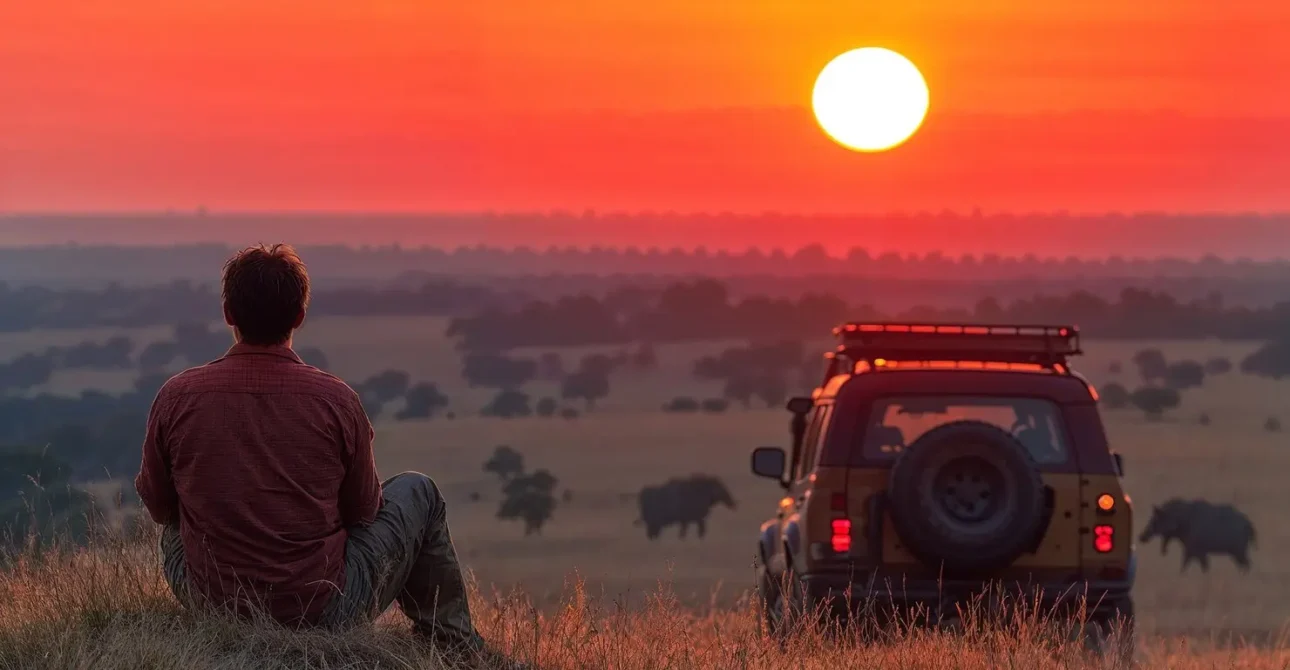
Solo travel is when a tourist travels independently, making every decision, from accommodation to activities to pace, entirely on their own terms.
No group compromises. No shared itineraries. Just you, the choices you make, and wherever they take you.
Uganda rewards that kind of traveler more than most destinations in Africa.
The country has a way of pulling people in deeper than they expected. You arrive for the gorillas. You stay for the crater lakes, the forest birdsong at 5am, the warmth of people who seem genuinely pleased you showed up.
Tourism in Uganda is rebounding strongly, with arrivals nearing two million in 2025 Travel Safe – Abroad, and a growing share of those visitors are traveling alone. That’s not a coincidence.
Uganda’s structure, its guided treks, its community-run experiences, its mix of lodges at every price point, suits the solo traveler remarkably well.
This guide gives you an honest, practical picture of what solo travel in Uganda actually looks like.
Key Takeaways
- Uganda is generally safe for solo travelers who use a reputable operator, travel with guides in the parks, and exercise standard urban awareness
- The gorilla trekking experience is structured for solo visitors; you join a group of eight and trek with professional rangers
- Costs are higher traveling alone than in a group, but Uganda offers genuine flexibility across budget, midrange, and luxury tiers
- Solo female travelers face some additional considerations, particularly around urban travel at night, but the experience inside the parks is widely reported as safe and well-managed
- Booking through a trusted operator removes most of the logistical friction and security risk associated with independent travel
Is Uganda Safe for Solo Travelers
Let’s be straightforward about this. Uganda is not without risk, and glossing over that doesn’t help anyone.
The U.S. State Department currently rates Uganda at Level 3: Reconsider Travel, citing crime, terrorism, civil unrest, and laws targeting persons based on sexual orientation. That’s a serious designation, and it deserves to be taken seriously rather than brushed aside with reassuring platitudes.
At the same time, context matters. Travel advisories are general precautions and don’t necessarily reflect the experience of every traveler or the situation on the ground.
Thousands of solo travelers visit Uganda every year without incident. The risk profile varies enormously depending on where you go, how you get there, and who’s organizing your trip.
Inside Uganda’s national parks, the environment is tightly managed. These spots are tourist magnets, strictly run by the Uganda Wildlife Authority (UWA), and rangers escort you on gorilla treks.
The risk calculus in Bwindi or Murchison Falls is fundamentally different from walking through central Kampala after midnight.
Urban Uganda requires more awareness. Nighttime alone is not recommended, especially in remote areas, and public transport can be a setting for petty theft. That’s not unique to Uganda. It applies to most major African cities, and honestly, to most cities in the world.
The single highest-impact decision you can make as a solo traveler in Uganda is choosing a registered, professional operator. It reduces fraud, improves logistics, and ensures you’re moving through the country with people who know the terrain. Everything else follows from that.
What Makes Uganda Work for Solo Travel
1. The Activities Are Designed for Groups
This is underappreciated. Most of Uganda’s signature experiences, gorilla trekking, chimpanzee trekking, game drives, and boat cruises on the Kazinga Channel, are structured around groups.
You don’t need to arrive with a partner or a group of friends. You join one.
Gorilla trekking permits in Uganda are allocated per person, not per group. A solo traveler buys a single permit, joins a trekking group of up to eight people, and heads into the forest with armed rangers. The structure is built for exactly this scenario.
The same applies to chimpanzee tracking in Kibale Forest, game drives in Queen Elizabeth National Park, and nearly every guided activity Uganda offers.
You show up. You join. You have the experience.
2. Uganda's Diversity Rewards Independent Curiosity
Uganda is home to over 50 ethnic groups, each with unique traditions, languages, and customs.
As a solo traveler, you’ll have the chance to immerse yourself in various cultures, from engaging with the Batwa community in the southwest to exploring the traditions of the Baganda in central Uganda.
That kind of cultural richness doesn’t reveal itself on a group bus tour. It surfaces in conversations at a roadside market, in a visit to a community-run project near Bwindi, in an afternoon spent reading the Rewards of Visiting Uganda’s Karamojong Tribe and then actually going.
Solo travel creates the space for those encounters. It makes you available in a way that group dynamics often don’t.
3. Ugandans Are Genuinely Welcoming
This gets said about many destinations and often means very little. In Uganda, it’s consistently reported by independent travelers across different backgrounds and trip styles.
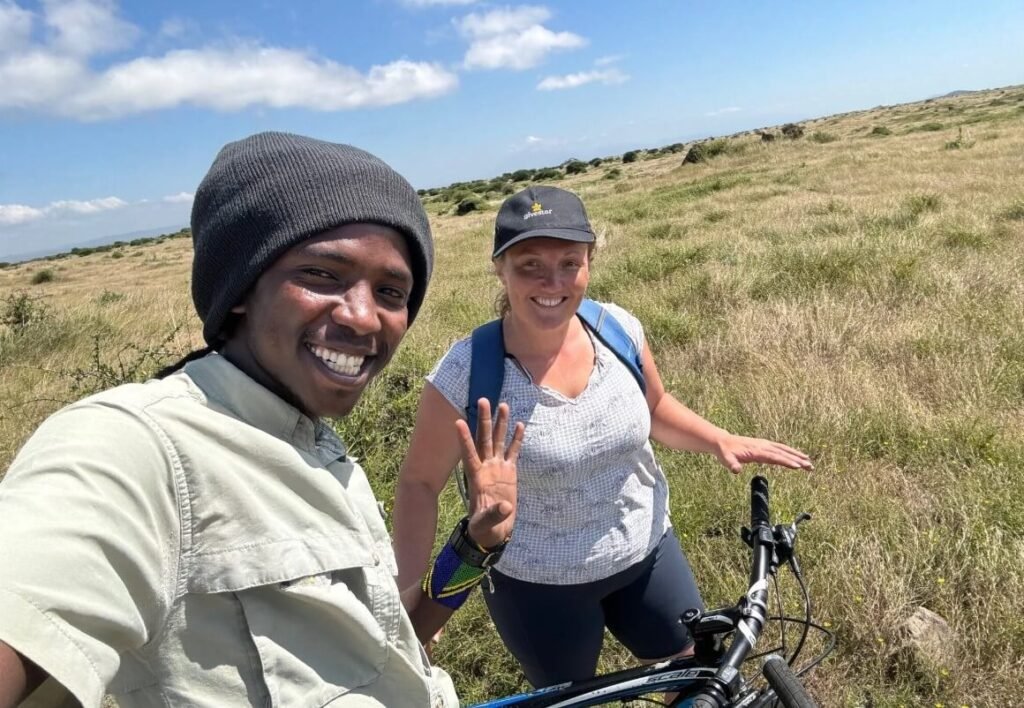
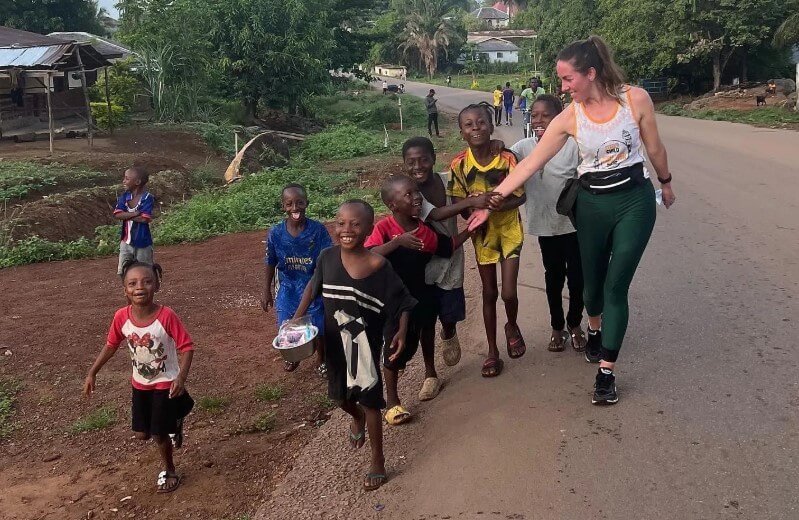
Everyone I met from Uganda was beaming with contagious smiles and always full of joy. Solo travelers often report feeling welcomed and safe when interacting with locals, turning strangers into friends.
That warmth is real. It doesn’t eliminate risk, but it shapes the day-to-day experience in meaningful ways.
What Solo Travel in Uganda Actually Costs
Solo travel costs more than group travel. There’s no way around this.
When a group shares the cost of a 4WD safari vehicle between four people, each person pays a quarter of the transport cost. When you travel alone, you pay the whole thing. Hotels price rooms per room, not per person. Some lodges add a single supplement. These costs add up.
That said, Uganda gives you genuine flexibility. The country has a wide range of accommodation options, from budget guesthouses and community campsites to luxury lodges inside Bwindi. You control where that money goes.
The non-negotiable costs for most solo itineraries include:
- Gorilla trekking permits. Currently, USD $800 per person in Uganda. These are set by the Uganda Wildlife Authority and are the same regardless of group size. Read more about why gorilla permits are so expensive and what that price actually funds.
- Chimpanzee permits. Typically USD $250 per person.
- Transportation. The most variable line item. A shared group vehicle is significantly cheaper per person. Solo travelers often join shared departures through their operator to manage this cost. Tips on how to make your Ugandan safari more affordable are covered in more detail.
- Accommodation. You control this entirely. Budget, midrange, and luxury are all represented near Uganda’s major parks.
- Guiding fees and park entry. Standard costs that apply to every visitor.
One practical approach: book a structured tour that places you in a small group. You still get flexibility over your non-safari days. But the park activities, where costs are highest, get shared.
Talk to us about how we structure this for solo travelers joining shared departures.
Planning Your Solo Safari in Uganda
The Best Activities for Solo Travelers
1. Gorilla Trekking
Gorilla trekking is the most popular, and rightfully so. A single morning in the presence of a mountain gorilla family is the kind of experience that rewrites what you thought travel could be.
Gorilla families in Uganda vary widely in personality and accessibility; an experienced guide will tell you things no guidebook does.
Start with what to pack for gorilla trekking and sort your gorilla trekking permit as far in advance as possible.
2. Game drives in Queen Elizabeth and Murchison Falls.
Both parks offer classic East African wildlife on a scale that still surprises people. Murchison Falls National Park is one of Uganda’s largest and most diverse; Queen Elizabeth has tree-climbing lions and one of the best boat safaris in the country.
3. Birdwatching
Uganda has over 1,000 recorded bird species. Solo birdwatchers often find Uganda is one of the most rewarding countries on the continent.
The Mabamba Swamp shoebill tracking experience is a particular highlight. For a full picture, see must-see bird species in Uganda.
4. Cultural Experiences
A Kampala city tour, a visit to Ngamba Island Chimpanzee Sanctuary, or time at Ziwa Rhino Sanctuary all work beautifully as solo day trips. These are structured, guided, and sociable environments.
5. Adventure Activities
White-water rafting on the Nile at Jinja, ziplining in Mabira Forest, and bungee jumping are all group-friendly activities that solo travelers join daily.
The Best Time to Go
Uganda is a year-round destination, but the dry seasons, from June to August and December to February, offer better trekking conditions and cleaner roads.
See our full breakdown of the best time for safari in Uganda and the best months for gorilla trekking specifically.
How Far in Advance to Book
For gorilla permits, especially, the answer is: earlier than you think. Peak season permits sell out months ahead.
How far in advance should you book a safari walks through the timeline for different seasons and trip types.
Solo Female Travel in Uganda
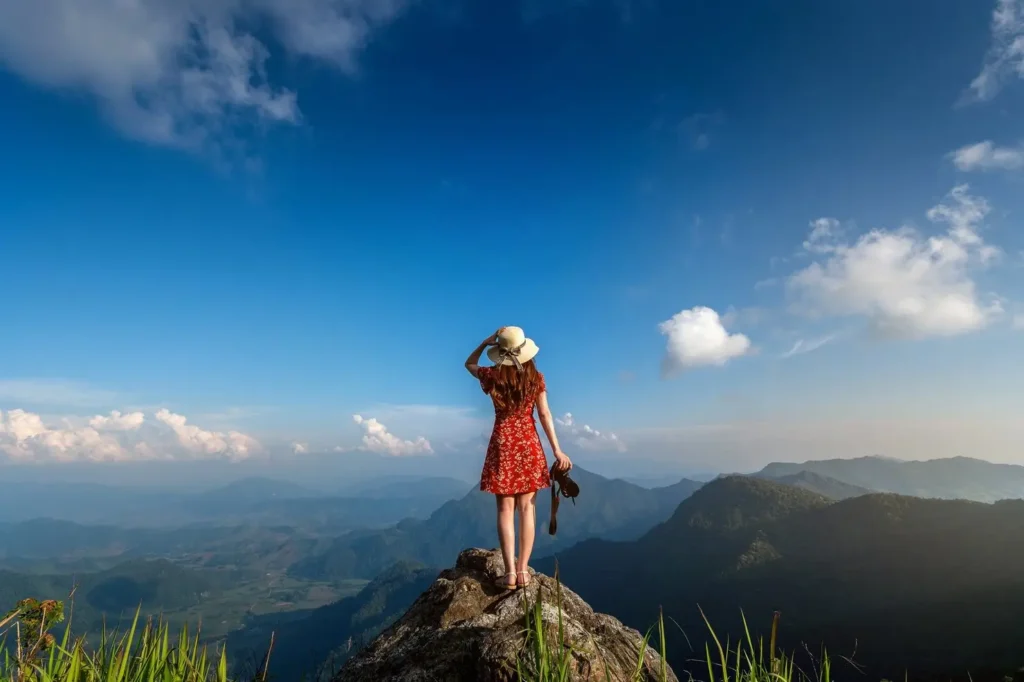
Solo female travel in Uganda is common and widely reported as rewarding. It does require some additional awareness, particularly in urban settings.
Harassment may be encountered, though it rarely escalates to serious threats. Nighttime alone is not recommended, especially in remote areas.
In Kampala, use Uber, Bolt, or SafeBoda after dark rather than unregistered taxis. Dress modestly outside the main tourist areas. These aren’t unusual requirements by East African standards.
Inside the parks, the experience is markedly different. Rangers, professional guides, fellow travelers, and well-run lodge environments create a setting that solo female travelers consistently describe as comfortable and safe.
While it’s always important to travel at your own discretion, the reviews from solo female travelers suggest that it is perfectly safe to travel Uganda independently, as long as you exercise common sense.
The most consistent advice from experienced travelers: hire a driver-guide for your park days, use registered operators for all bookings, and treat Kampala at night with the same awareness you’d apply to any unfamiliar city.
For a broader look at safety in the region, our guide on how safe is a safari in Africa provides useful context.
Practical Tips for Solo Travelers in Uganda
- Get the right visa sorted before you travel. Uganda, Rwanda, and Kenya operate a shared tourist visa. Our East African tourist visa guide clearly covers the process.
- Download offline maps. Mobile data can be patchy between parks. Google Maps offline works reliably for most areas.
- Carry a mix of USD and Ugandan Shillings. USD is widely accepted at lodges and for permits. Shillings are better for local markets and transport. Avoid changing money on the street.
- Tell someone your itinerary. This is good practice anywhere. For solo travel specifically, share your daily plans with your operator and check in at the accommodation.
- Don’t hike alone. In the mountains, in the forest, always go with a guide. This applies to the Rwenzori Mountains, Mgahinga’s volcanoes, and any trail in the national parks.
- Get travel insurance that covers medical evacuation. Healthcare resources in Uganda are limited outside Kampala. High-altitude hiking, water activities, and other adrenaline-inducing adventures make comprehensive travel insurance worth every cent.
- Be thoughtful about photography. Avoid photographing military, political, or security buildings. These sites are not always clearly marked. Ask permission before photographing people in local communities.
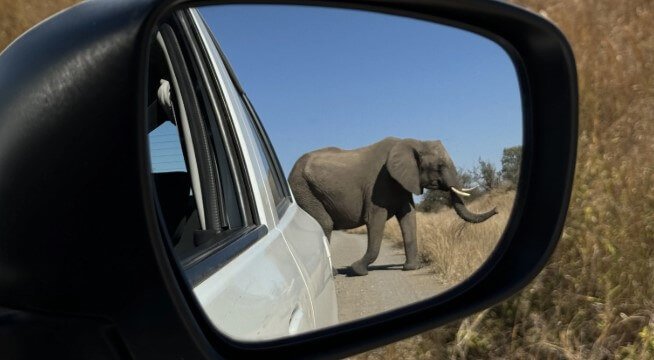
Uganda is not a destination that reveals itself all at once. It asks something of the traveler, a willingness to go slowly, to sit with unfamiliar landscapes, to follow a ranger into a forest and trust that what waits on the other side is worth it.
For solo travelers, that’s exactly the point.
If you’re ready to start planning, request a quote, and we’ll put together an itinerary built around how you travel.
FAQs About Solo Travel in Uganda
Is Uganda safe for solo travelers today?
Yes, with the right precautions. Inside Uganda’s national parks, safety is well-managed by the Uganda Wildlife Authority. Urban areas require standard awareness, particularly at night. Booking through a professional operator significantly reduces risk across the board.
2. Can I do gorilla trekking alone?
Yes. Gorilla trekking is designed for individuals. You purchase a single permit, join a group of up to eight trekkers, and trek with professional rangers and a guide. Many people on any given trek are traveling solo or as a pair. Learn more about gorilla trekking rules and what the experience involves.
3. Is Uganda affordable for a solo traveler?
It’s more expensive than group travel, primarily because vehicle and some accommodation costs aren’t shared. That said, Uganda has genuine options across all budget levels. A good operator can help you structure a trip that maximizes experience per dollar. See our post on how to make your Ugandan safari more affordable.
4. Do I need to speak Luganda to travel solo in Uganda?
No. English is an official language and is widely spoken in lodges, parks, and most urban areas. A few words of Luganda go a long way socially, but are not required to navigate the country.
5. What’s the best itinerary for a first-time solo traveler to Uganda?
A 5-day gorilla and chimp trekking safari covers the two experiences most people come for. Add Lake Mburo or Queen Elizabeth for wildlife, or Lake Bunyonyi for a quiet finale. Our what’s the best African safari for first-time travelers guide is also a useful starting point.